Thursday, February 18, 2010

Maqam in Arabic Music

from Maqamworld.com
What is a Maqam ? In Arabic music, a maqam (plural maqamat) is a set of notes with traditions that define relationships between them, habitual patterns, and their melodic development. Maqamat are best defined and understood in the context of the rich Arabic music repertoire. The nearest equivalent in Western classical music would be a mode (e.g. Major, Minor, etc.)
The Arabic scales which maqamat are built from are not even-tempered, unlike the chromatic scale used in Western classical music. Instead, 5th notes are tuned based on the 3rd harmonic. The tuning of the remaining notes entirely depends on the maqam. The reasons for this tuning are probably historically based on string instruments like the oud. A side effect of not having even-tempered tuning is that the same note (by name) may have a slightly different pitch depending on which maqam it is played in.
What are Quarter Tones ?
Many maqamat include notes that can be approximated with quarter tones (depicted using the half-flat sign or the half-sharp sign ), although they rarely are precise quarters falling exactly halfway between two semitones. Even notes depicted as semitones sometimes include microtonal subtleties depending on the maqam in which they are used. For this reason, when writing Arabic music using the Western notation system, there is an understanding that the exact tuning of each note might vary with each maqam and must be learned by ear.
Another peculiarity of maqamat is that the same note is not always played with the same exact pitch. The pitch may vary slightly, depending on the melodic flow and what other notes are played before and after that note. The idea behind this effect is to round sharp corners in the melody by drawing the furthest notes nearer. This effect is sometimes called the law of attraction or gravity, and is common in other musical traditions (e.g. in Byzantine music).
Are maqamat transposable ?
When Arabic maqamat are taught and documented, each maqam is usually associated with the same starting note (tonic). For example, maqam Bayati is almost always shown as starting on D in reference textbooks.
In general maqamat are transposable, but only to a handful of other tonics. For example, maqam Bayati usually starts on D, but it can also start on G and A. When transposing Arabic maqamat, musicians mention the tonic name after the maqam name for clarity (e.g. "Bayati on G" or "Bayati on A"). For this reason also, only a few quarter tones are exploited (with the understanding that the term quarter tone is approximate, and that many semitones include microtonal variations). The most frequently used quarter tones are: E, A and B.
This is unlike scales in Western classical music, where for example each scale can have 11 possible tonics. Total freedom to transpose requires playing Western music on even-tempered instruments (e.g. the piano) where all semitone intervals are exactly equal.
The reasons behind this limitation are probably technical and pragmatic, and have to do with the difficulty of transposing freely on classical Arabic instruments (oud, nay, qanun). On the oud for example, it is important to be able to exploit open strings to play tonics, 4th and 5th notes, since the sound on open strings is always in tune and louder. In addition, since the oud tuning is not even-tempered but based on harmonic 4th and 5th intervals between open strings, maqamat dont sound equally in tune and pleasant on every tonic.
Some maqamat change names when transposed because they vary in their feel or mood. A maqam could also have a different melodic development (sayr) when transposed, including a different dominant note, etc. For example maqam Rahat El Arwah is a transposed version of maqam Huzam, but they have different moods. To describe the difference using very subjective terminology, the first is lower, more mellow and spiritual, the second is higher, lighter and funkier.
Another reason for different transposed versions of a maqam having different names might be historic, since each name (and tonic) may have been used in a different region (Arab, Persian, Turkish. etc.). An example of this is the Hijaz Kar, Shadd Araban, Shahnaz, and Suzidil maqamat, which all have the same tonal intervals.
While on the subject of transposition, musicians often retune their instruments a few semitones higher or lower than the absolute reference (e.g. A = 440 Hz) rather than transpose a maqam, especially in old 1920's and 1930's recordings. The reason for doing this is that melodies sound much better when their tonics and 4th/5th notes fall on open strings, because of the way string instruments like the oud or violin resonate. This is not the case with voice, for example.
How can maqamat be broken down ?
The building blocks for maqamat are sets of 3, 4 or 5 notes, called trichords, tetrachords and pentachords, respectively. The Arabic word for these sets is jins (plural ajnas). The word jins means the gender, type or nature of something. In general each maqam is made up two main ajnas (sets) called lower and upper jins. These can be joined at the same note, at two adjacent notes, or can overlap each other. A maqam may also include other secondary ajnas which are very useful for modulation. Instead of thinking of a maqam as a collection of 8 or more individual notes, it's often useful to think of it as a group of two or more ajnas (sets).
See the Ajnas (Sets) section.

Is there harmony in Arabic music ?
Arabic music is mostly melodic, which means it rarely includes harmony and chords. There are a few exceptions, read more in this excellent article about Harmony and Arabic Music. The main reason why harmony is rarely used is that chords dont sound very pleasant when they include quarter tones or microtonal variations. Harmony sounds best when notes have a natural harmonic relationship (3rd, 4th, 5th and 6th harmonic, etc). In Arabic music, this is true for a tonic and its fifth (3rd harmonic), but most of the time not true for any other note combination.
What is the difference between a maqam and a scale ?
The Arabic maqam is built on top of the Arabic scale. The maqam is generally made up of one octave (8 notes), although sometimes the maqam scale extends up to 2 octaves. But the maqam is much more than a scale:


  • A maqam may include microtonal variations such that tones, half tones and quarter tones in its underlying scale are not precisely that. E.g. the E in maqam Bayati is tuned slightly lower than the E in maqam Rast. These variations must be learned by listening not by reading, which is why the oral tradition is the correct way to learn Arabic music.


  • Each maqam has a different character which conveys a mood, in a similar fashion to the mood in a Major or Minor scale, although that mood is subjective. Since classical Arabic music is mostly melodic (excludes harmony), the choice of maqam greatly affects the mood of the piece.


  • Each maqam includes rules that define its melodic development (or sayr in Arabic). These rules describe which notes should be emphasized, how often, and in what order. This means that two maqamat that have the same tonal intervals but where one is a transposed version of the other may be played differently (e.g. maqamat Kurd and Hijaz Kar Kurd, or maqamat Nahawand and Farahfaza).

  • Each maqam includes rules that define the starting note (tonic, or qarar in Arabic), the ending note (or mustaqarr in Arabic), which in some cases is different to the tonic, and the dominant note (or ghammaz in Arabic). The dominant is the starting note of the second jins (in general the 5th, but sometimes the 4th or 3rd note), and serves as the pivot note during modulation.
See the Modulation section.
How many maqamat are there ?
There are dozens of Arabic maqamat, too many to list, including many Persian and Turkish hybrids. It's difficult to find a definitive list of Arabic maqamat that all textbooks agree on, or a definitive reference on which maqamat are strictly Arabic and which are Turkish or Persian. There are also many local maqamat used only in some regions of the Arab world (e.g. Iraq and North Africa), and unknown in others. But the most widely used and known maqamat are about 30 to 40, and these are the ones covered in this web site
See the Maqam Index section.
How is the intonation of the Arabic maqam changing with time ?

There is no absolute reference for the Arabic scale. In 1932, the Arabic Music Conference in Cairo established that regional variations existed in the intonation of Arabic maqamat. Within each region, oral traditions continued and created de-facto standards, although these standards converged to some extent with the advent of recording and broadcasting.

The phenomenon that greatly influenced intonation in Arabic music was the introduction of even-tempered instruments (some of which were altered to produce quarter tones), mostly in the second half of the 20th century. The accordion, electric guitar, electric (fretted) bass, piano, guitar, electric piano, electric organ and synthesizer were gradually introduced to the Arabic ensemble. The main incentive behind this change was innovation, modernization, and the desire to add harmony to Arabic music.
When Arabic maqamat are performed on even-tempered instruments, they sound different in subtle ways for the following reasons:


  • The intonation of the same quarter tone can vary with each maqam. For example, the E in maqam Rast has a higher tuning than the E in maqam Bayati. Even tempered instruments eliminate these subtle variations, producing dry and rigid quarter tones.


  • Moreover, the Arabic maqam has regional variations that make up a lot of its color. For example, the E in maqam Rast has a higher tuning in Aleppo than in Cairo. Even tempered instruments eliminate these regional variations, reducing the Arabic maqam to its lowest denominator.


  • Even semitones in the Arabic scale often include microtonal variations. A prime example are the 2nd and 3rd notes in the Hijaz tetrachord, which are played closer together so as to shrink the 1½ tone interval. These variations cannot be performed on even-tempered instruments. In case of harmonic music, microtonal variations are even undesirable since they reduce harmony.
With time, the original tuning of maqam Hijaz had been lost except in a handful of new recordings, and was replaced with what is called “piano Hijaz” (a derogatory term.) Equally bad is the “piano Ajam”, where the 3rd note should be slightly lower and more mellow. Maqamat like Jiharkah are rarely played on even-tempered instruments, even on ones that have been altered to produce quarter tones.
In conclusion, the new generation of Arabic musicians, singers and listeners is losing touch with the traditional intonation of the 1920s and 30s largely because of the introduction of even-tempered instruments and harmony in Arabic music.


Saturday, February 6, 2010

شام يا ذا السيف


شام يا ذا السيف

شام يا ذا السيف لم يغب
يا كلام المجد في الكتب
قبلك التاريخ في ظلمة
بعدك أستولى على الشهب
لي ربيع فيك خبأته
ملئ دنيا قلبي التعب
يوم عيناها بساط السما
و الرماح السود في الهدب
تلتوي خصراً فأومى
إلى نغمة الناي ألا إتنحبي
أنا في ظلك يا هدبها
أحسب الأنجم في لعبي
طابت الذكرى فمن راجع
بي كما العود إلى الطرب
شام أهلوك إذا هم على نوب
قلبي على نوب
أنا أحبابي شعري لهم
مثلما سيفي و سيف أبي
أنا صوتي منك يا بردى
مثلما نبعك من سحبي
ثلج حرمون غذانا معاً
شمخاً كالعز في القبب
و حد الدنيا غداّ
جبل لاعب بالريح و الحقب

Friday, February 5, 2010

من ايش خايفة؟


lubzi من ايش خايفة؟ من الظلم من القهر، من العجز من الكبر،من الوحدة من الألم من الندم من الذل من الفقر من العنف من الضرب من الحرب من البهدلة والقمع 


lubzi lubzi Jan 24, 12:28 PM خائفة انو الزمن متل الرمل يمرق هدر،خايفة من الكسل والملل والوخم والبطالة والفشل من الشلل خايفة من القلة والوجع وسعر الدولار ينخفض او يرتفع 
 
lubzi lubzi Jan 24, 12:34 PM خايفة من الزمن. وغدر الزمن. خايفة علي الارض، علي العرض.خايفة علي الوطن.خايفة علي الطفولة والبرا؟ة خائفة من القسوة من النيسان من غدر الانسان 


lubzi lubzi Jan 24, 12:40 PM خايفة من التغيير والتطبيع من النظام العالمي الجديد خايفة علي الحرية والعداله خايفة علي الحقيقة من الكذب وعلي الشعر وعلي الفن والتراث والأدب
lubzi lubzi Jan 24, 12:42 PM
خايفة عالقوافي تختفي و بيوت الشعر تصبح خيم. خايفة كلنا نسكن خيم


lubzi lubzi Jan 24, 12:47 PM خايفة من ال 
racism 
وال 
sexism
وال
capitalism
خايفة من أسلحة الدمار الشامل واسرا؟يل وال
Zionism
خايفة علي العرب.
 خايفة من العرب.
خايفة من الجهل 
lubzi lubzi Jan 24, 12:50 PM
خائفة من الموت من المرض من المعاناة من الإهمال خايفة انتسي متل كأني ما كنت. متل الهوا متل العبث ما اترك ولا اثر...


lubzi lubzi Jan 24, 12:54 PM خايفة عالاهل. خايفة عالصخرة والحرم. خايفة عالقدس ورام الله وبيت لحم. خايفة عالطفولة بفلسطين تنتحر ... او تنفجر ... والله خائفة يا بشر ... 


lubzi lubzi Jan 24, 01:00 PM  

خايفة من ال
pollution
وال 
genetic manipulation 
وامراض الطيور 
والخنازير وجنون البقر. خايفة يتحول الشخص لسلعة تنباع وتنشري خايفة علي حقوق المرة


lubzi lubzi Jan 24, 01:05 PM
  خايفة عيني  تشوف ونفسي ما تطول. خايفة الظلم يطول. خايفة من ال
dogma
واهل التدين واللحي.
الألف المقصورة والذال اختفوا. خايفة من شركة ابل.

lubzi lubzi Jan 24, 01:09 PM خايفة ال
corporation
تسيطر عالكوكب والبشر. خايفة الناس تنسي الله. خايفة الله ينسي البشر. خايفة من الحقيقة ومن الوهم.خايفة من جوع الروح والجسم 
lubzi lubzi Jan 24, 01:14 PM خائفة من الدخان والسرطان.خايفة من البرد خايفة من بكرا خايفة من الماضي يلحقني متل السبع.خايفة من المصاري والفواتير والدفع. خايفة يتأزم الوضع 

lubzi lubzi Jan 24, 01:22 PM خائفة علي البدو من الحضر ... خايفة لغتي تتشوه او تندثر. خايفة علي الصحرا من المدن خايفة من الناس عالطبيعة والبحر 


lubzi lubzi Jan 24, 01:26 PM خايفة من الغدر. خايفه حد يحبني ويتراجع. بعد العهود يختفي. وما يعتذر. 


lubzi lubzi Jan 24, 01:28 PM خايفة همي يكبر قد الجبل ، ما اعود اقدر احتمل. خايفة اتعب من الأمل. 


lubzi lubzi Jan 24, 01:29 PM خائفة الخوف يسيطر علي متل الاسد. ما أعود أثق بحد 


lubzi lubzi Jan 24, 01:35 PM بالرغم من خوفي بستمر.


khaledhakim khaledhakim Jan 24, 01:34 PM ليه النكد؟ RT 
@lubzi: خائفة الخوف يسيطر علي متل الاسد. ما أعود أثق بحد 

lubzi lubzi Jan 24, 01:39 PM @khaledhakim ليش لا؟ أعطيني سبب

lubzi lubzi Jan 24, 01:39 PM @khaledhakim ليش العجب؟ مش شايف الف مليون سبب؟


Sunday, January 24, 2010

نزار poetry by Nizar

فانا انسان مفقود
For I am a lost person
لا اعرف في الارض مكاني
I don't know where my place on earth is
ضيعني دربي
My path lost me
ضيعني اسمي
My name lost me
ضيعني عنواني
My address lost me
تاريخي
My history
مالي تاريخ
I have no history
اني نسيان النسيان
I am the forgetness of oblivion
اني مرساة لا ترسو
I am an anchor that doesn't settle
جرح بملامح انسان
A wound with human features

Sunday, December 6, 2009

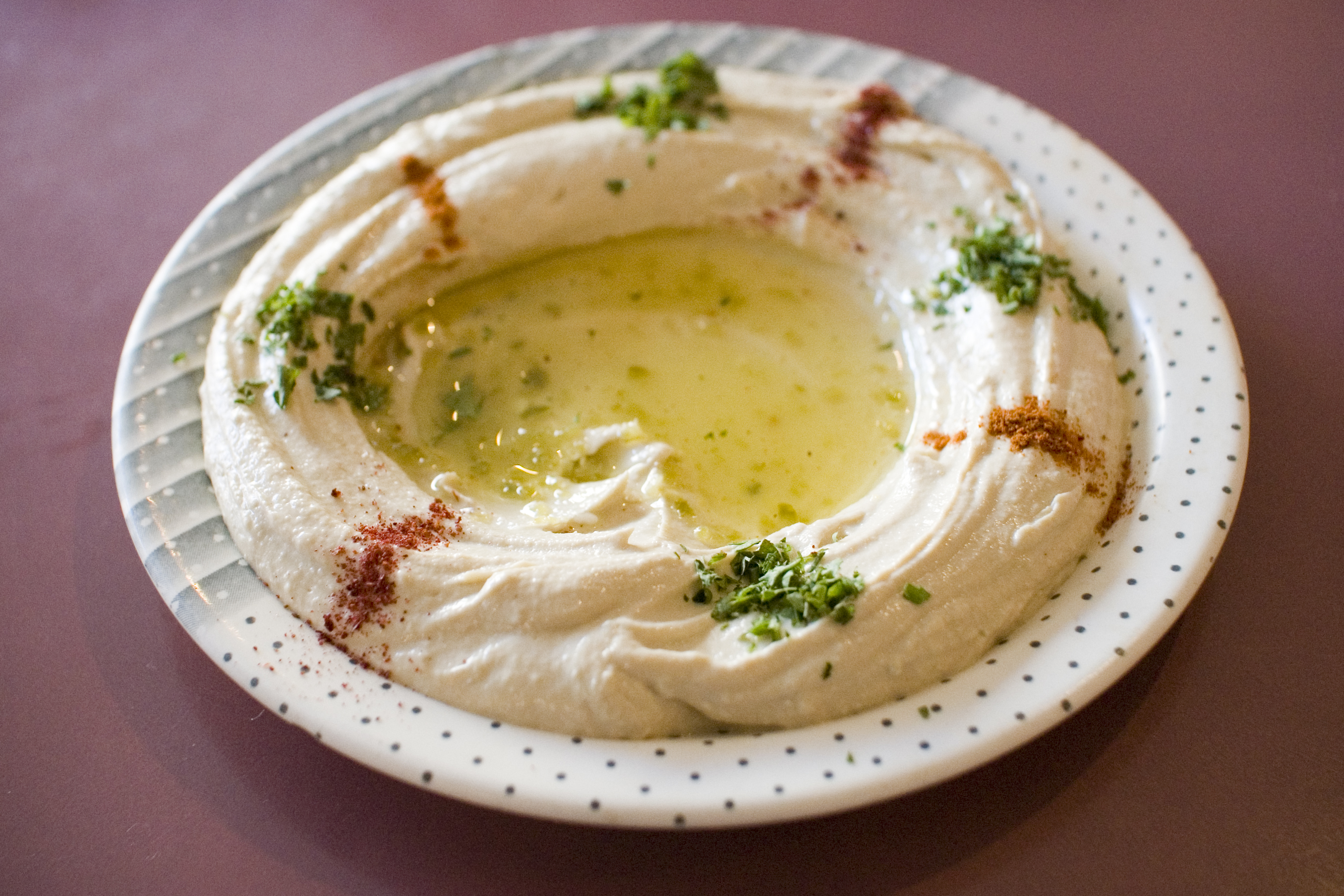
I am addicted to حمص (Hummus)

TITLE: I am addicted to حمص

DATE: 11/14/2006 20:00:28


I am addicted to  Hummus حمص


I cant stop eating Hummus
عن جد... مش قادرة اوقف أكل حمص   ... بحبه بحبه
بموت في ربه


والله

شكرا يا رب على الحمص

Thank you God for the Hummus


 with olive oil زاكي مع زيت الزيتون


 and salt and lebon وملح ولمون


 and hot pita وكماج سخن


  and summak and cummin
وسماق وكمون

  and a fresh tomato وحبة بندورة


 and some olives مع شوية زتون


 God bless the Hummus يسعد رب الحمص